June 8, 2026
Historic Hotels Have Something Modern Hotels Can’t Replicate. Are You Selling It?
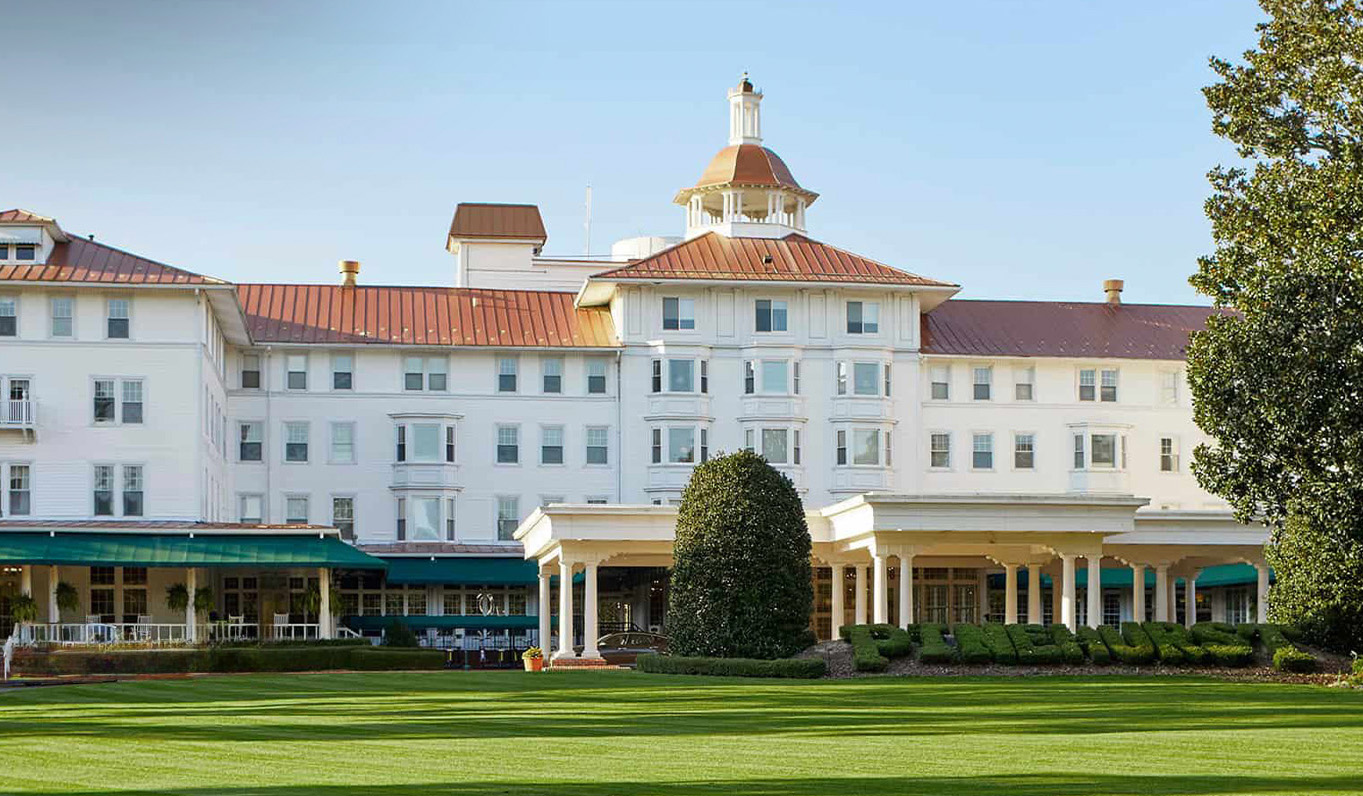
Historic hotels offer something no newly built property can manufacture: a genuine sense of history, place and story.
But when a meeting planner receives your proposal, does that distinction come through? Or does your property get reduced to room counts, meeting-space charts and a collection of attachments?
Are your proposals simply selling availability, or are they helping planners understand why your hotel is the experience their attendees will remember?
The Challenge
Meeting planners want fast answers and clearly organized information. They need dates, guest rooms, capacities, pricing, menus and event details.
But for a historic hotel, those facts are only part of the decision.
A planner may be comparing several properties with similar room blocks and meeting-space options. Your advantage may be the architecture, the traditions, the setting, the stories held within the property or the experience attendees will have between meetings.
The challenge is making those qualities part of the sales process without making the proposal difficult to navigate. Your history should not be buried in an attachment or saved for the site visit. It should help distinguish the property from the first response.
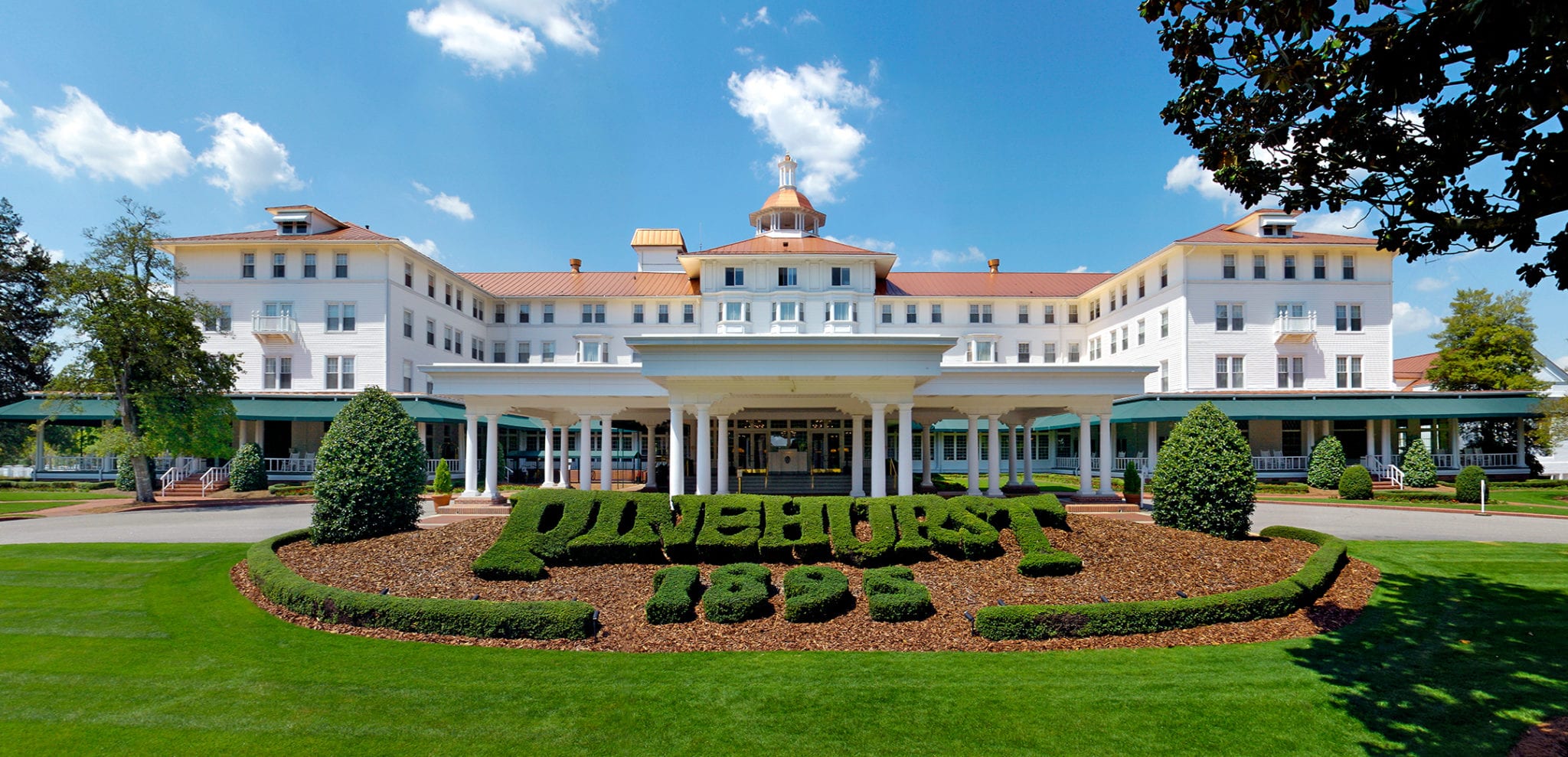
SendSites is instrumental in helping us communicate the unique charm and extensive offerings of Pinehurst in a way that is both engaging and comprehensive.
Historic Hotels Sell Experiences, not just Space
When a planner receives a proposal from a historic property, they’re evaluating far more than guestrooms and square footage. They’re evaluating the story attendees will experience, the uniqueness of the destination, the sense of place, the authenticity of the property, and the memories guests will take home.
The proposal becomes the first chapter of that experience. Instead of attaching multiple PDFs, sales teams are increasingly building digital proposals that let planners explore meeting spaces, view historic imagery, watch videos, browse dining options, and share the proposal internally with stakeholders.
We can take each proposal and make it be for that individual organization so the client knows we’re listening to them.
How Historic Hotels use SendSites
For many historic hotels, group decisions involve committees, boards, associations, foundations, universities, and nonprofit organizations. Making it easy for multiple decision-makers to experience the property — without coordinating a site visit for every stakeholder — has a meaningful impact on the sales process.
As Adina notes: “We can send that same link to five different board members or however many people need to see it.”
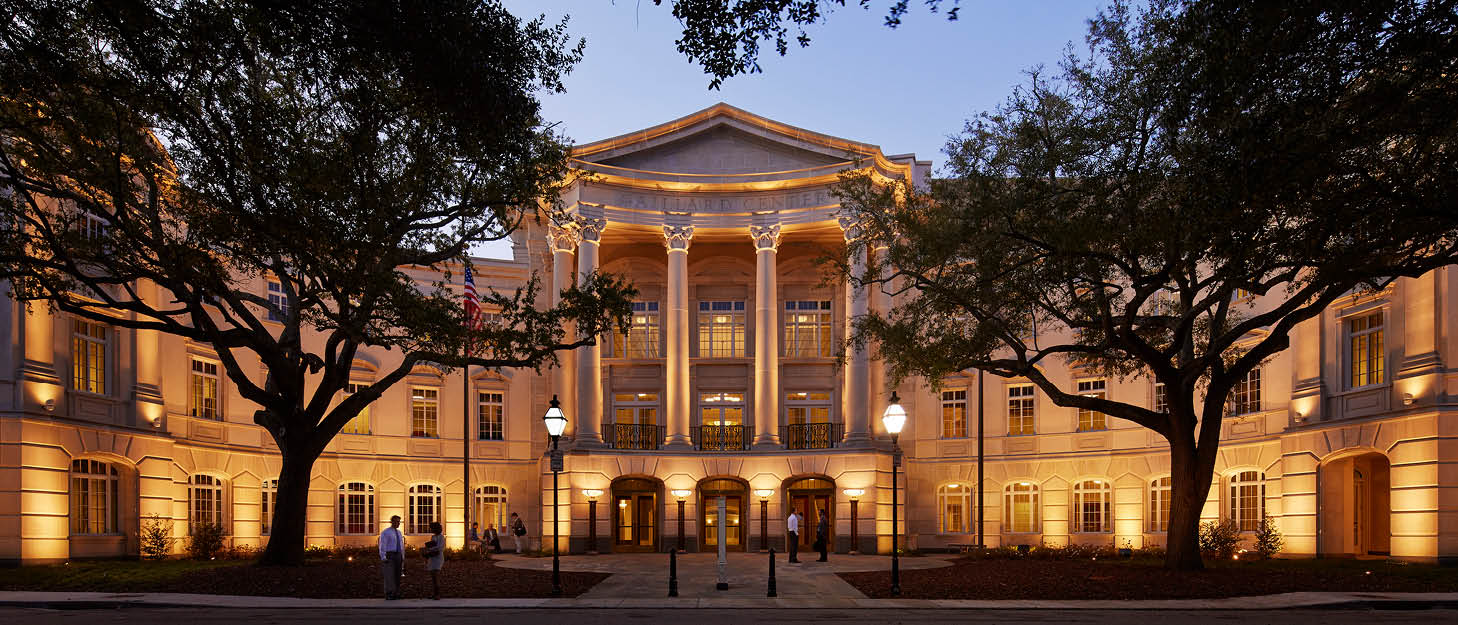
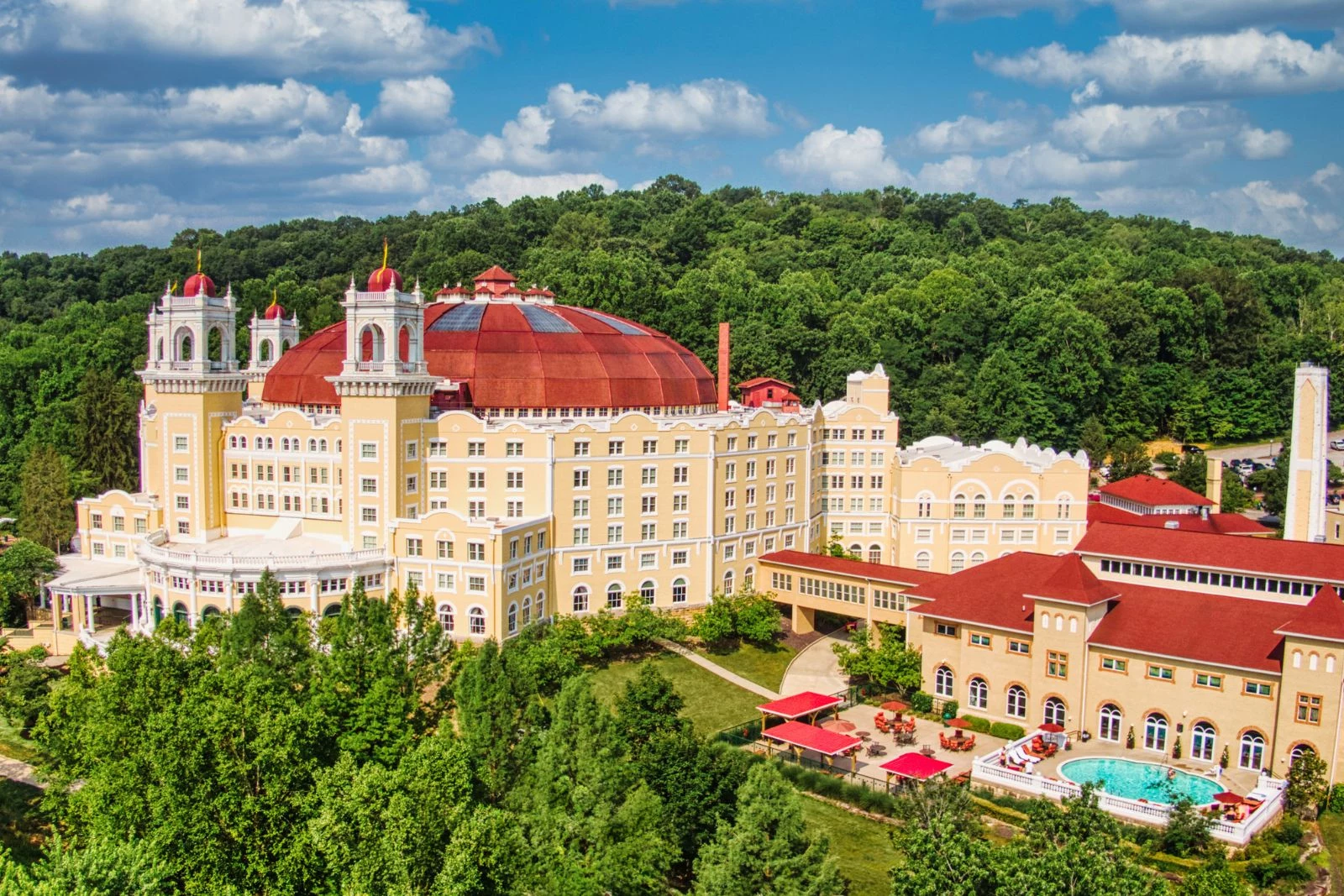
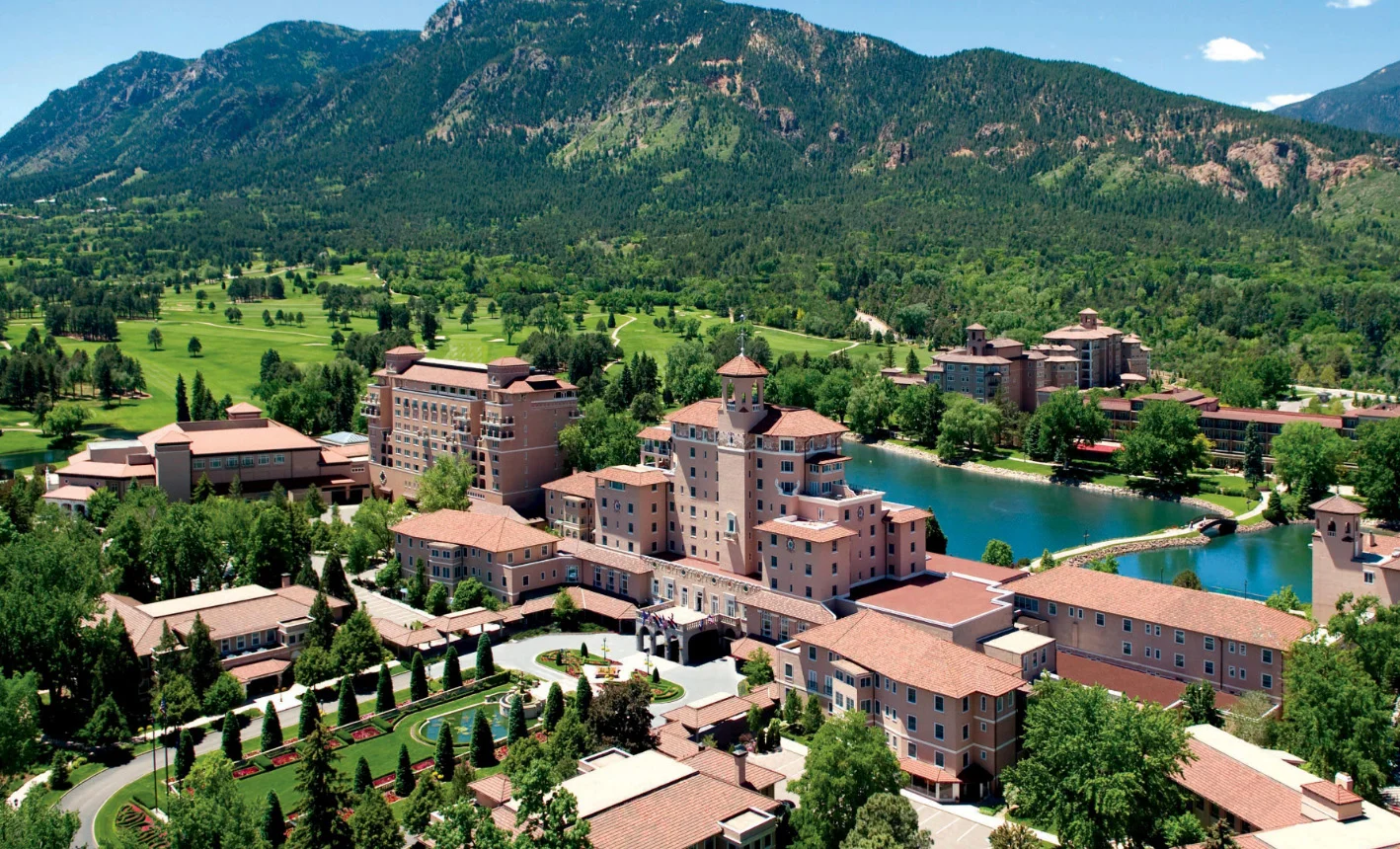
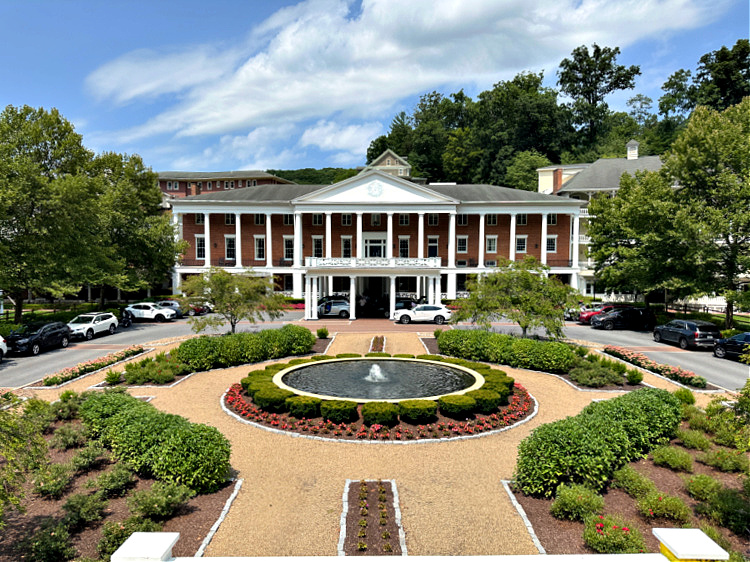
Many of the industry’s most iconic historic properties use SendSites to bring their stories to life during the sales process, including French Lick Resort, Pinehurst Resort, The Broadmoor, Hotel Viking, Omni Bedford Springs Resort, Mills House Charleston, and The Peabody Memphis. Each property tells its story differently, but they share a common goal: helping planners experience the destination before they ever arrive.
The Result
When sales teams shift from attachments to interactive proposals, the conversation changes. Planners spend more time inside the proposal. Boards and committees can review it together without a forwarding chain. And the story of the property — the architecture, the traditions, the place — actually reaches the people making the decision.
That’s the difference between selling space and selling an experience worth remembering.
SendSites is proud to once again support Historic Hotels of America and attend the Historic Hotels Annual Conference this fall at the Williamsburg Lodge. As the industry prepares for America’s 250th anniversary, we’re excited to continue helping historic hotels showcase the stories, traditions, and experiences that make their properties unforgettable.
Because when a planner chooses a historic hotel, they’re choosing much more than a venue. They’re choosing a story worth sharing.